Choosing Tile Adhesive: A Guide to Mortar & Epoxy Options
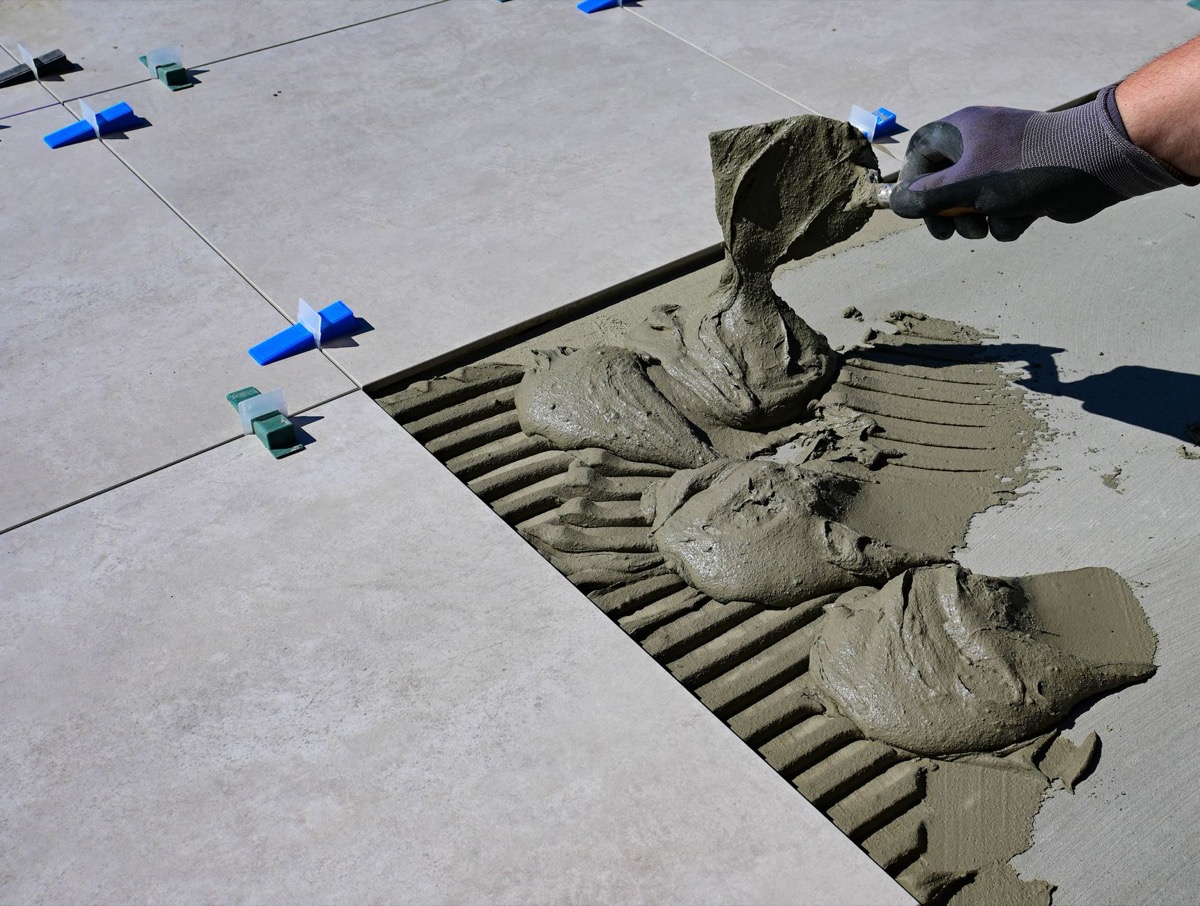
When undertaking a tiling project, selecting the correct adhesive is as crucial as choosing the perfect tile. The adhesive not only secures your tiles but also contributes significantly to the durability and longevity of the installation. The adhesive market continues to evolve, with manufacturers introducing hybrid formulations that combine the workability of traditional mortars with the strength of epoxy chemistry, offering enhanced performance for a wider range of applications.
Understanding the fundamental types of tile adhesive available—from traditional mortars to robust epoxies and modern hybrids—empowers you to make informed decisions that ensure a successful and lasting tile installation, whether you're a DIY enthusiast or a seasoned professional.
Understanding Mortar-Based Adhesives (Thin-Set)
Mortar-based adhesives, commonly known as thin-set mortars, are the most widespread choice for ceramic, porcelain, and natural stone tile installations. These are cement-based mixtures that react with water to form a strong bond. Thin-set is applied in a thin layer using a notched trowel, ensuring full coverage and support for the tile.
- Unmodified Thin-Set: This basic blend of Portland cement, sand, and water retention agents cures through hydration. It's often suitable for indoor applications over stable, absorbent substrates like concrete or cement backer board, especially with porous tiles.
- Modified Thin-Set: This type incorporates polymer additives, such as latex, which enhance bond strength, flexibility, and water resistance. Modified thin-sets are ideal for challenging installations, including large format tiles, porcelain tiles (which are less porous), exterior applications, and wet areas like showers. The polymers allow for some movement and improve adhesion to less absorbent or slightly unstable substrates.
Exploring Epoxy-Based Adhesives
Epoxy tile adhesives stand apart from mortars due to their two-part chemical curing process, consisting of a resin and a hardener. Once mixed, these components create an incredibly strong, dense, and highly resistant bond.
- Superior Strength and Durability: Epoxy adhesives offer exceptional bond strength, making them suitable for demanding environments and heavy traffic areas.
- Chemical and Water Resistance: They are virtually impervious to water, chemicals, and stains, making them an excellent choice for commercial kitchens, laboratories, industrial settings, and areas with frequent chemical exposure.
- Specific Tile Applications: Epoxy is often recommended for glass tiles, metal tiles, or other specialty materials that may require a non-absorbent adhesive or where translucency is a factor (e.g., when the color of the adhesive might show through).
- Considerations: While powerful, epoxy adhesives have a shorter pot life (working time), can be more challenging to clean up, and are generally more expensive than thin-set mortars.
Hybrid and Specialty Adhesives
The tiling industry continually innovates, leading to the development of hybrid and specialty adhesives designed to meet specific needs or combine the benefits of different types. Polymer-modified and polyurethane-epoxy hybrid adhesives are an example of this trend, aiming to offer the robustness of epoxy with improved workability and a broader range of compatible substrates.
- Hybrid Adhesives: These products often blend the best characteristics of different chemistries, such as polyurethane and epoxy, to create adhesives with improved flexibility, strength, workability, or moisture resistance, suitable for a wider range of challenging installations.
- Mastic (Organic) Adhesives: True mastic is an organic, solvent- or water-based adhesive sold ready-to-use straight from the tub. It is convenient for light-duty, interior dry-wall applications with ceramic or non-vitreous tiles, but it does not cure in continuously wet conditions and lacks the strength and water resistance of thin-set or epoxy — so it should not be used in showers, on floors, or with large or porcelain tiles.
- Pre-Mixed (Latex) Adhesives: Sold as a separate category, these latex-based pre-mixed thin-sets are also ready-to-use but differ from organic mastic in performance. They generally offer better adhesion and some moisture tolerance for intermittently damp interior walls, yet most are still not rated for continuous-wet areas or large-format tile — always confirm the product's rating against your application.
Choosing the Right Adhesive and Estimating Your Needs
Selecting the appropriate tile adhesive involves considering several critical factors:
- Tile Type: Porous ceramic tiles often work well with unmodified thin-set, while non-porous porcelain, large format tiles, or glass tiles typically require modified thin-set or epoxy.
- Location & Exposure: Interior, dry areas have different requirements than exterior, wet, or chemically exposed areas. Always opt for modified thin-set or epoxy for bathrooms, showers, outdoor patios, or commercial spaces.
- Substrate: Ensure your adhesive is compatible with the surface you're tiling over (e.g., concrete, cement board, drywall).
- Environmental Conditions: Consider temperature, humidity, and potential for movement or heavy loads.
Once you’ve identified the correct type of adhesive, accurately estimating the quantity needed is crucial for a smooth project. Factors like trowel size, tile size, and substrate flatness all influence coverage. Using a larger trowel will require more adhesive. For precise calculations, our free tile calculator can help you estimate your material needs accurately, including thin-set.
Tiles needed to cover 100 sq ft by tile size
Key Takeaways
- Match your tile adhesive to the specific tile type, project location, and environmental conditions for optimal performance.
- Thin-set mortar is versatile, with modified versions offering enhanced strength and water resistance for demanding applications.
- Epoxy adhesives provide superior strength, chemical resistance, and waterproofing, ideal for commercial or high-performance areas.
- Hybrid adhesives combine features from different chemistries, offering specialized solutions for complex tiling challenges.
- Always calculate your adhesive needs accurately to avoid waste and ensure adequate supply; consider using a specialized calculator tool.
Try It Yourself — Free
Ready to start your tiling project? Use our free tile calculator to estimate the exact amount of tile, grout, and thin-set you'll need. For more detailed guidance on material estimation, check out our guide on how to estimate grout and thin-set.
Related Resources
- Bathroom Tile Estimating Checklist
- Flooring Calculator
- Flooring Calculators Hub
- Hardwood Flooring Calculator
- Complete Guide
More From Our Network
- Duct Size Calculator — same niche
- cyberfrad — our network
Sources
- Construction World — Original report
- Construction World — Industry coverage of tile adhesive innovations